What are Steroid Hormones?
Steroid hormones¹ are chemical compounds made of benzene rings², that play an essential role in bodily functions. This includes physiological growth, sexual development, metabolism, homeostasis and reproduction.
Steroid hormones are primarily made in the adrenal cortex and gonads³. These hormones are are created from derivatives of cholesterol⁴ to form corticosteroids and sex hormones. [1]
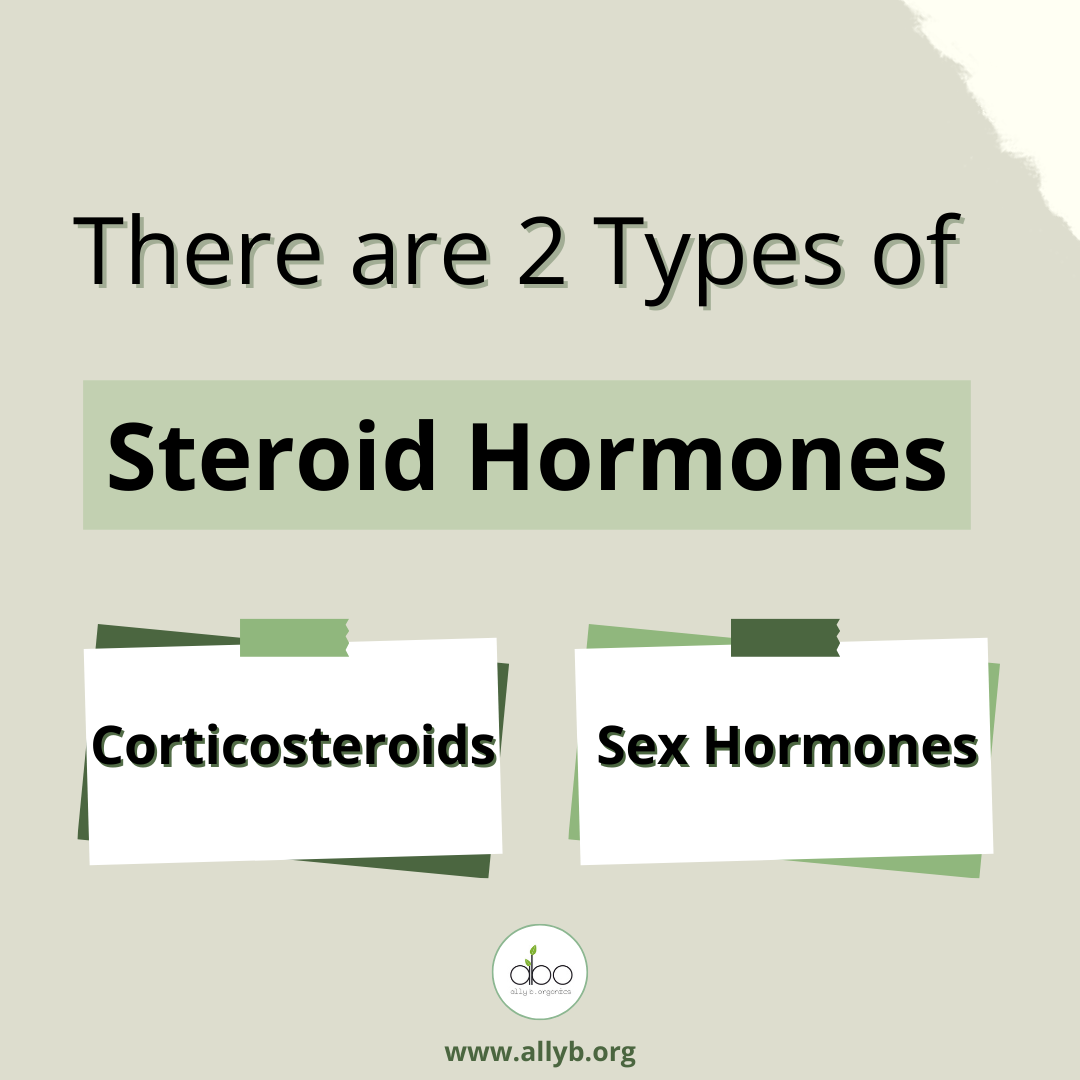
Corticosteroids
Glucocorticoids
Mineralocorticoids
Sex Hormones
Estrogen
Progestin
Androgens
1. CORTICOSTEROIDS
Mineralocorticoids
Mineralocorticoids promote sodium reabsorption. This is important to regulate blood pressure. [2]
Aldosterone is the dominant mineralocorticoid, accounting for approximately 90% of all mineralocorticoid activity.
Aldosterone secretion is regulated primarily by the renin-angiotensin system⁵.
Glucocorticoids
Glucocorticoids regulate metabolism, immune function, behavior (flight-or-flight), and decrease glucose use by cells. [1]
Cortisol, known as the body’s stress hormone, accounts for about 95% of all glucocorticoid activity. [3]
High-glucocorticoid activity, such as cortisol overproduction, is linked to both PCOS and obesity. [4]
Glucocorticoid levels increase in response to stressors. The hypothalamus releases corticotropin-releasing hormone (CRH) and triggers pituitary release of adrenocorticotropic hormone (ACTH). ACTH stimulates glucocorticoid production in the adrenals, such as cortisol. [2]
2. SEX HORMONES
Estrogen
Estrogen’s main function is to promote proliferation, or uterine lining growth. It is also responsible for secondary sexual development such as breast growth. [5]
Estradiol is the primary ovarian estrogen; estrone and estriol are two others. Small amounts of testosterone convert into estrogen.
Primarily derived from the gonads, estrogen peaks to trigger ovulation, with a second surge occurring during luteal phase when progesterone spikes. [5]
Progestin
Progestins prepare the uterus for pregnancy and the breasts for lactation.
The major progestin is progesterone; a minor progestin is 17-hydroxy-progesterone. [5]
During the follicular phase, progesterone is secreted 50% by the ovaries and 50% by the adrenal cortex. [1]
Progesterone spikes in the second half of the menstrual cycle, driven by the corpus luteum⁶.
Androgens
Androgens are steroid hormones that have masculinizing effects, known as male hormones. [1] Androgens are produced in the adrenal glands and the gonads.
In men, androgens are responsible for the development of secondary sexual characteristics. In women, androgens are responsible for pubic and armpit hair growth. Though women produce significantly less androgens than men, women secrete more androgens than estrogen. [6]
Testosterone is the major androgen. Imbalances in testosterone disrupt the menstrual cycle and directly impact women’s health and wellbeing. [7] Testosterone overproduction is a common symptom of PCOS. High levels of testosterone are also observed in women before and after-childbirth, linking it to postpartum depression. [8]
In women, 50% to 60% of the testosterone is derived from androstenedione, 30% is produced by the adrenals, and 20% by the ovaries. [1]
Dehydroepiandrosterone (DHEA) is the main steroid hormone produced by the adrenals. Sulfation of DHEA produces DHEA sulfate (DHEA-S). DHEA-S is a precursor hormone for testosterone.
Adrenal androgen production is regulated by corticotropin and other unknown factors.
Gonadal secretion of androgens is triggered by gonadotropins FSH and LH. [5]
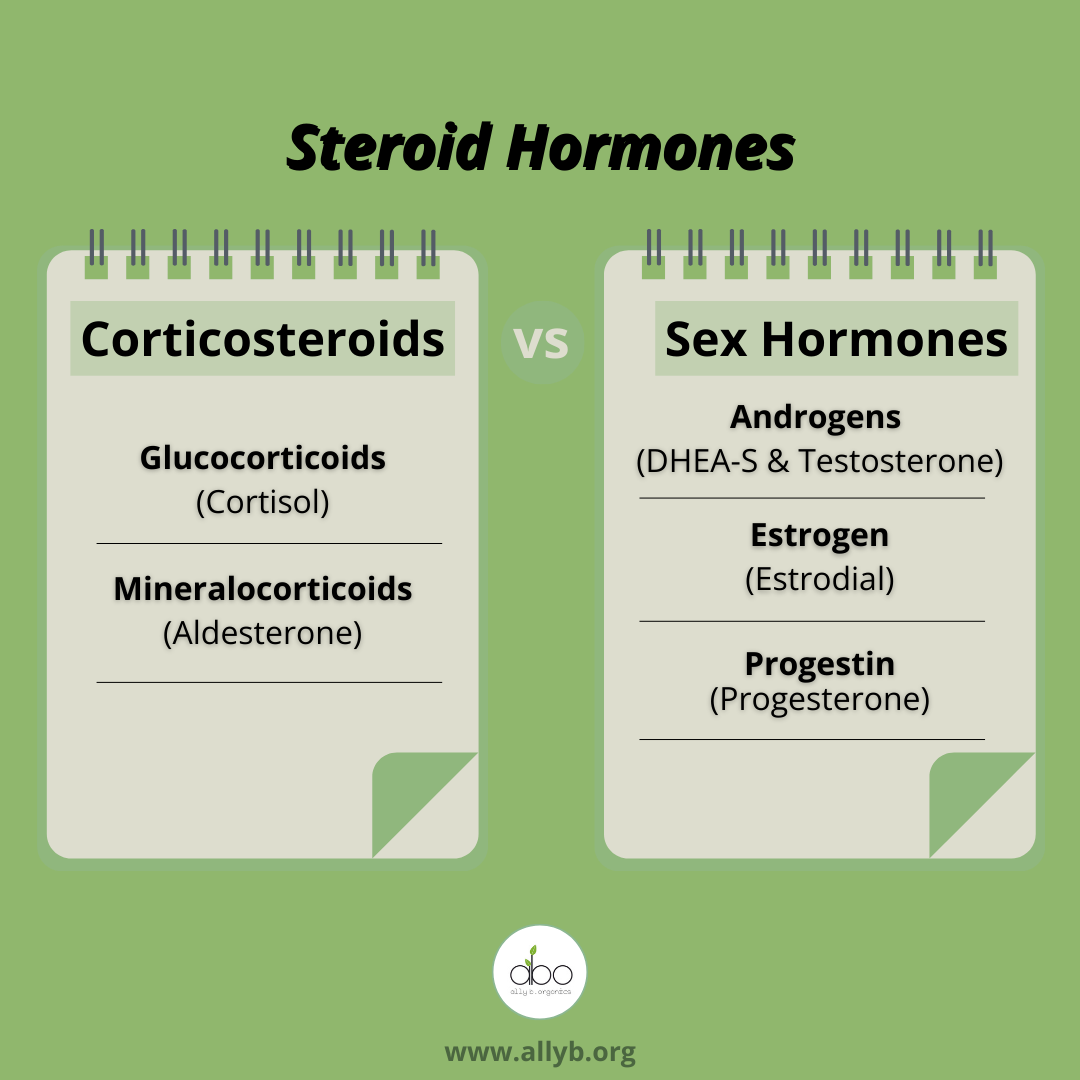
Photo Glossary
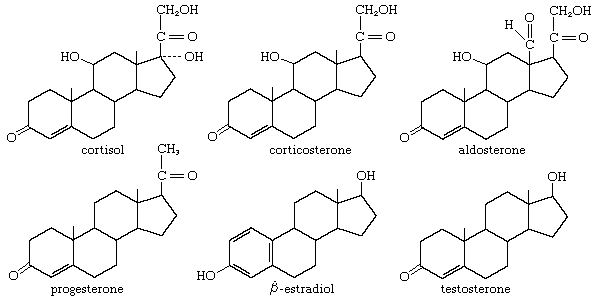
Figure ¹
Steroid Hormones
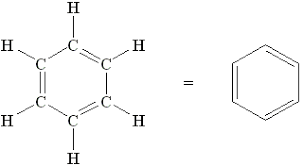
Figure ²
Benzene Ring
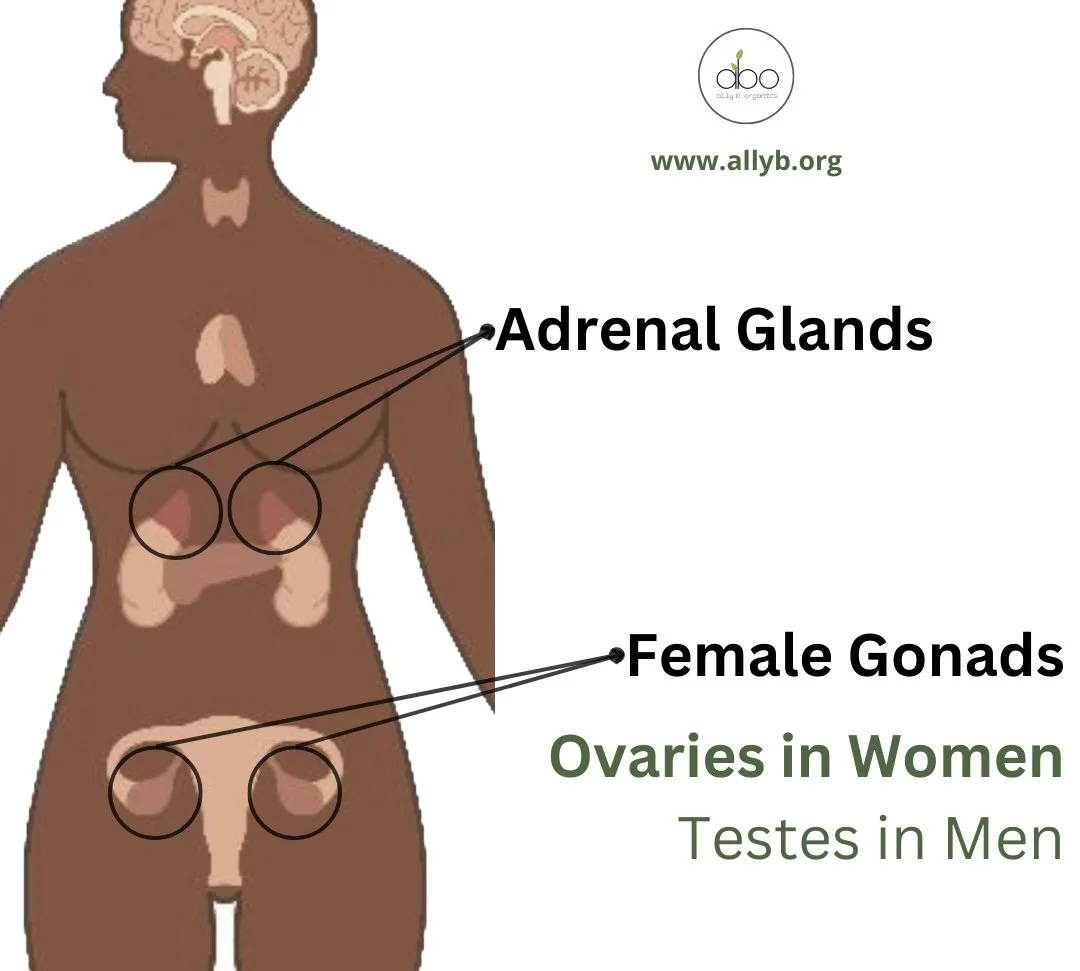
Figure ³
Adrenal Gland and Gonads
The adrenal glands rest on top of both kidneys. The gonads refer to the male and female reproductive organs, the testes and ovaries respectively.
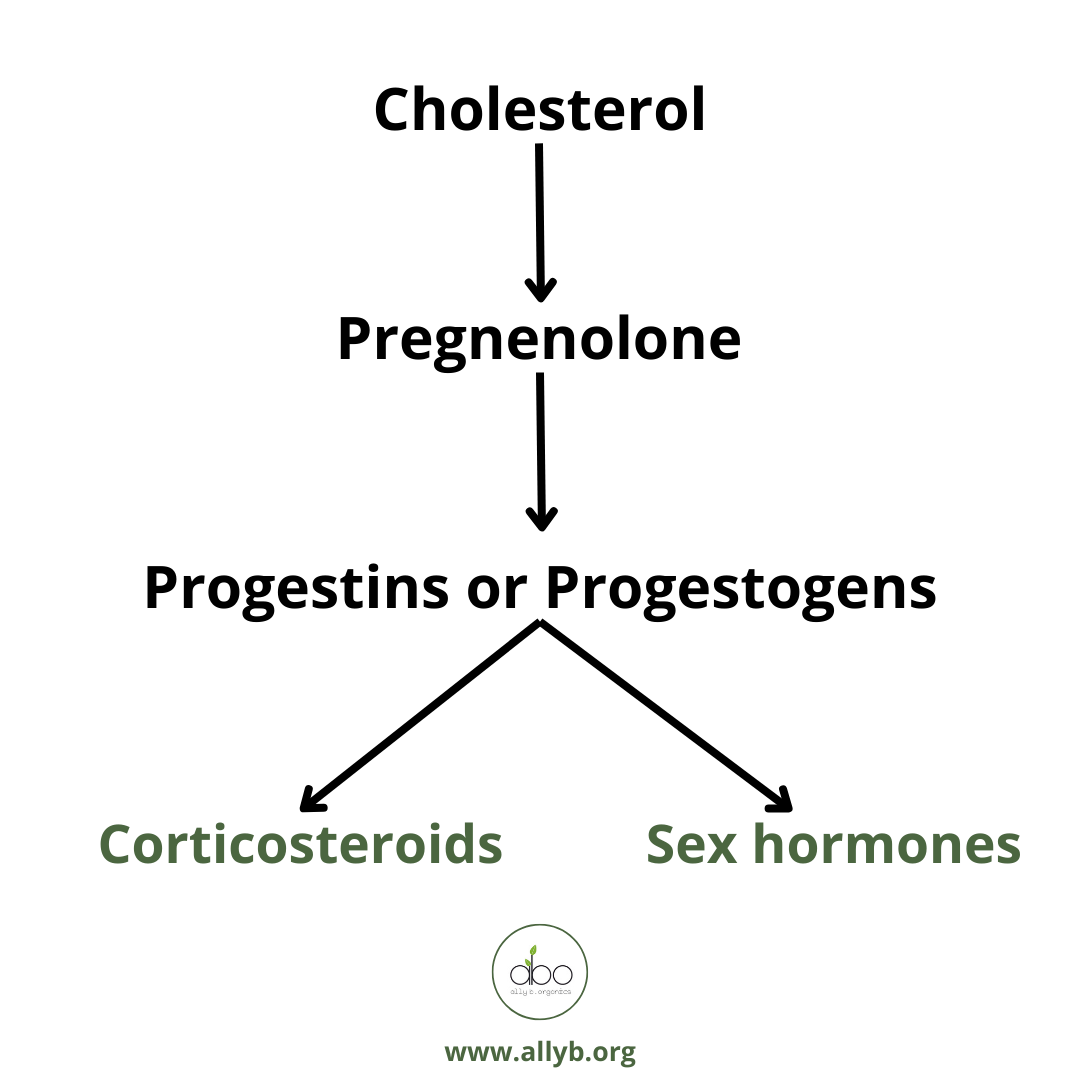
Figure ⁴
Synthesis from Cholesterol
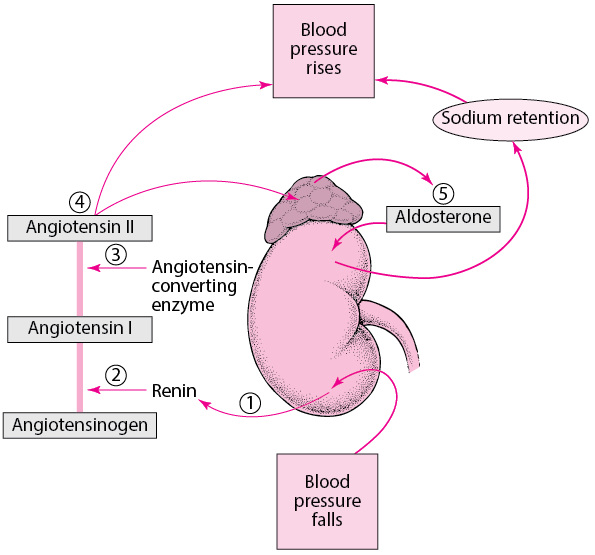
Figure ⁵
Regin-Angiotensin System
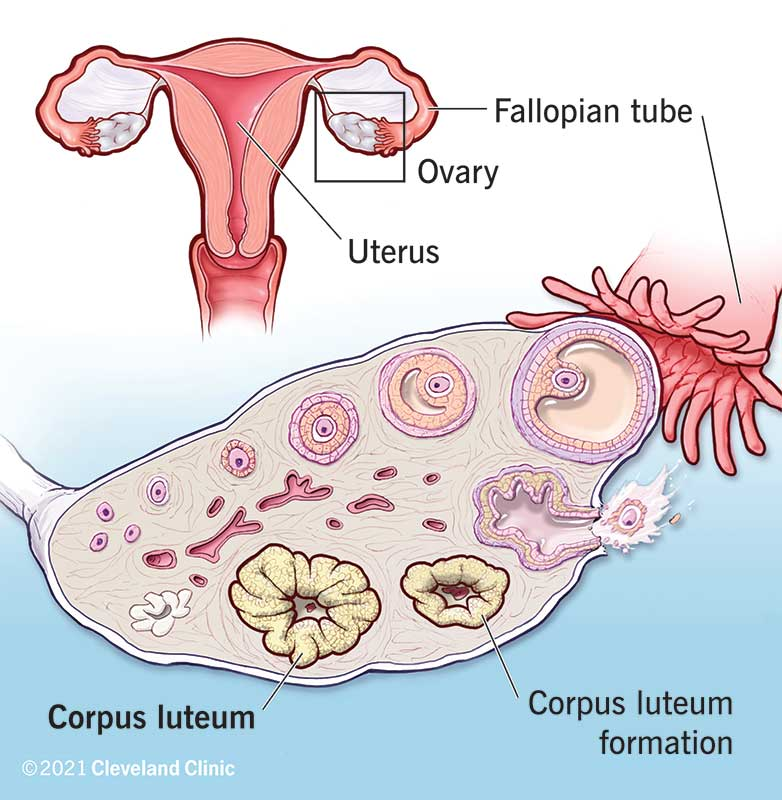
Figure ⁶
Corpus Luteum
References:
[1] Holst, Jennifer P, et al. “Steroid Hormones: Relevance and Measurement in the Clinical Laboratory.” Clinics in Laboratory Medicine, U.S. National Library of Medicine, Mar. 2004, www.ncbi.nlm.nih.gov/pmc/articles/PMC3636985/.
[2] Taves, Matthew D, et al. “Extra-Adrenal Glucocorticoids and Mineralocorticoids: Evidence for Local Synthesis, Regulation, and Function.” American Journal of Physiology. Endocrinology and Metabolism, U.S. National Library of Medicine, July 2011, www.ncbi.nlm.nih.gov/pmc/articles/PMC3275156/#:~:text=Mineralocorticoids%2C%20such%20as%20aldosterone%2C%20promote,by%20passive%20reabsorption%20of%20water.
[3] Thau, Lauren, et al. “Physiology, Cortisol - Statpearls - NCBI Bookshelf.” StatPearls, National Center for Biotechnology Information, 28 Aug. 2023, www.ncbi.nlm.nih.gov/books/NBK538239/.
[4] Van der Valk, Eline S, et al. “Stress and Obesity: Are There More Susceptible Individuals?” Current Obesity Reports, U.S. National Library of Medicine, 6 Apr. 2018, www.ncbi.nlm.nih.gov/pmc/articles/PMC5958156/#:~:text=High%20levels%20of%20cortisol%20can,to%20abdominal%20obesity%20%5B4%5D.
[5] Thiyagarajan, Dhanalakshmi K., et al. “Physiology, Menstrual Cycle - NCBI Bookshelf.” StarPearls, National Center of Biotechnology Information, 4 Oct. 2022, www.ncbi.nlm.nih.gov/books/NBK500020/.
[6] Burger, Henry G. “Androgen Production in Women.” Fertility and Sterility, Elsevier, 6 May 2002, www.sciencedirect.com/science/article/pii/S0015028202029850.
[7] Rohr, Uwe D. “The Impact of Testosterone Imbalance on Depression and Women’s Health.” Maturitas, U.S. National Library of Medicine, 15 Apr. 2002, pubmed.ncbi.nlm.nih.gov/11955793/.
[8] Aswathi, A., et al. “High Serum Testosterone Levels during Postpartum Period Are Associated with Postpartum Depression.” Asian Journal of Psychiatry, Elsevier Science B.V., 29 Aug. 2015, www.sciencedirect.com/science/article/abs/pii/S1876201815001987#:~:text=It%20can%20thus%20be%20concluded,suggesting%20its%20association%20with%20PPD.
Images:
¹ Steroid Hormones
https://www.britannica.com/science/steroid
² Benzene Ring
https://www.angelo.edu/faculty/kboudrea/molecule_gallery/04_aromatics/00_aromatics.htm
⁵ Renin-Angiotension system
⁶ Corpus-Luteum
https://my.clevelandclinic.org/health/body/21849-corpus-luteum